
Alternative data for monitoring the Iran conflict
Drew Davies, Senior Research Analyst (London)
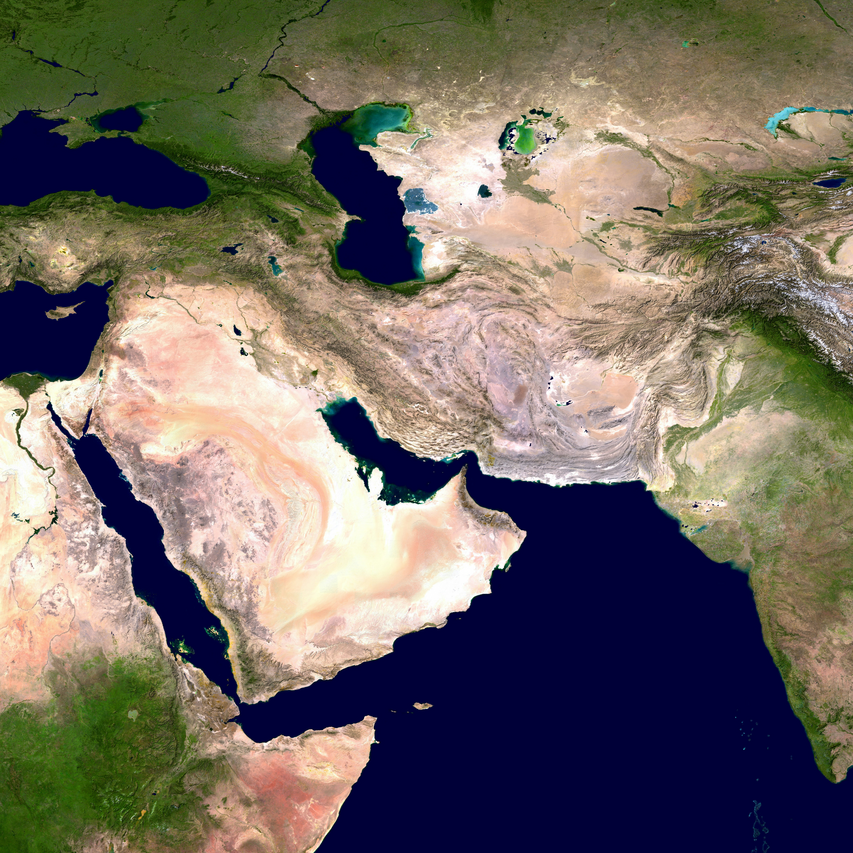
The US-Israel-Iran conflict has already triggered significant global volatility. In this piece, we map the data providers that can be used to track these real-time, on-the-ground impacts. We also look further afield to the sources required to measure broader global consequences – from spiked energy prices to potentially reduced agricultural yields – that are driving inflationary pressures far beyond the Middle East.
Following the Israel/US strikes on 28th February, and the Iranian retaliation against US assets and key infrastructure across the Gulf, the conflict has already had broad effects and risks further escalation and impact. In previous pieces, we have discussed how alternative data can be used to measure conflict and the resultant impacts to economic activity.
Due to the Strait of Hormuz’s significance for global supply and the disruptions to Gulf production, global oil and natural gas prices have spiked. We highlight datasets suitable for tracking the conflict’s current events and its potential broader global impacts.